Erasmus for Young Entrepreneurs: how we hosted Natalia and what a host in Spain needs to do
In spring 2026 Natalia Stuchinskaya wrote to us and suggested an exchange under the Erasmus for Young Entrepreneurs programme. She was already working with us in Valencia 18 days after we applied. We explain who can become a host or a new entrepreneur, how much the programme pays in Spain, which steps to take and what special rule applies to Ukrainians. Rules and figures are correct as of 1 November 2026.
Natalia Stuchinskaya is part of the SunClub Network magazine team, where she is director of relations with organisations and partners. Her host under the Erasmus for Young Entrepreneurs programme is Iuliia Medynskaia, the magazine’s publisher.

When Natalia first got in touch, she wanted to work with us through the Erasmus programme. We did not even know such a programme existed.
We had a call, and Natalia told us all about it. At the time she was living in Galicia, and friends had recommended us to her. Natalia had already written to many business networks, looking for a host among their members. She did not know we had a magazine. We told her how SunClub grew from an entrepreneurs’ club into a print magazine.
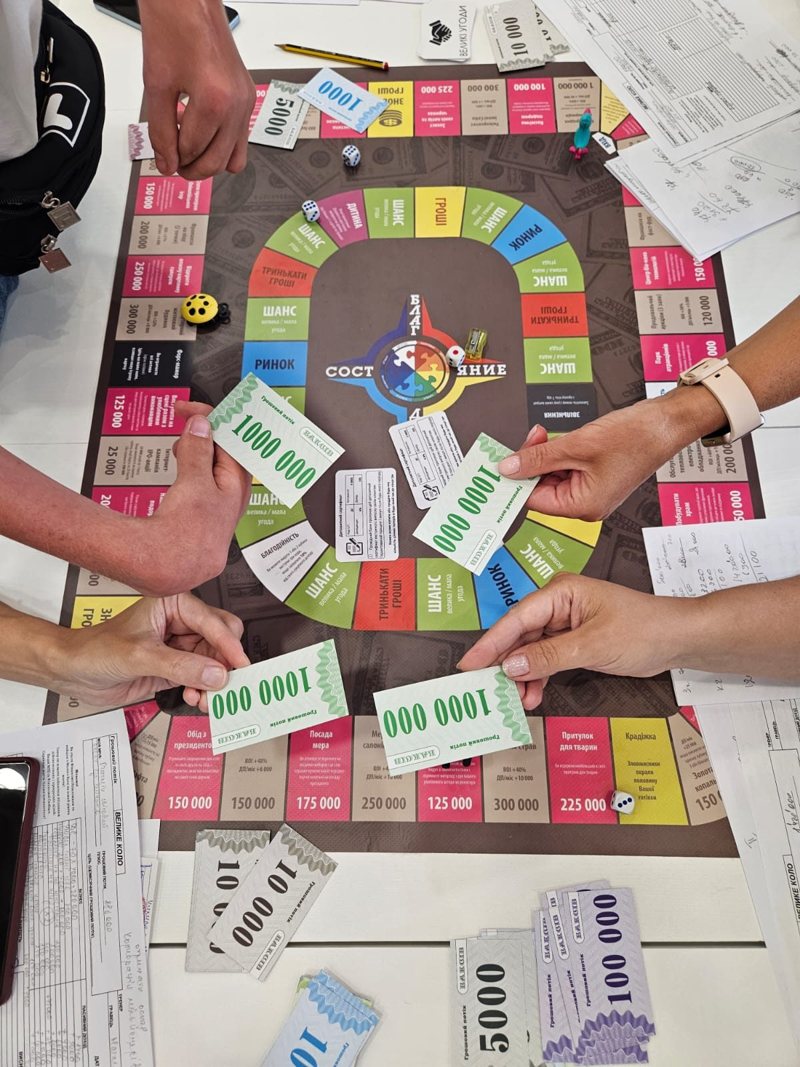
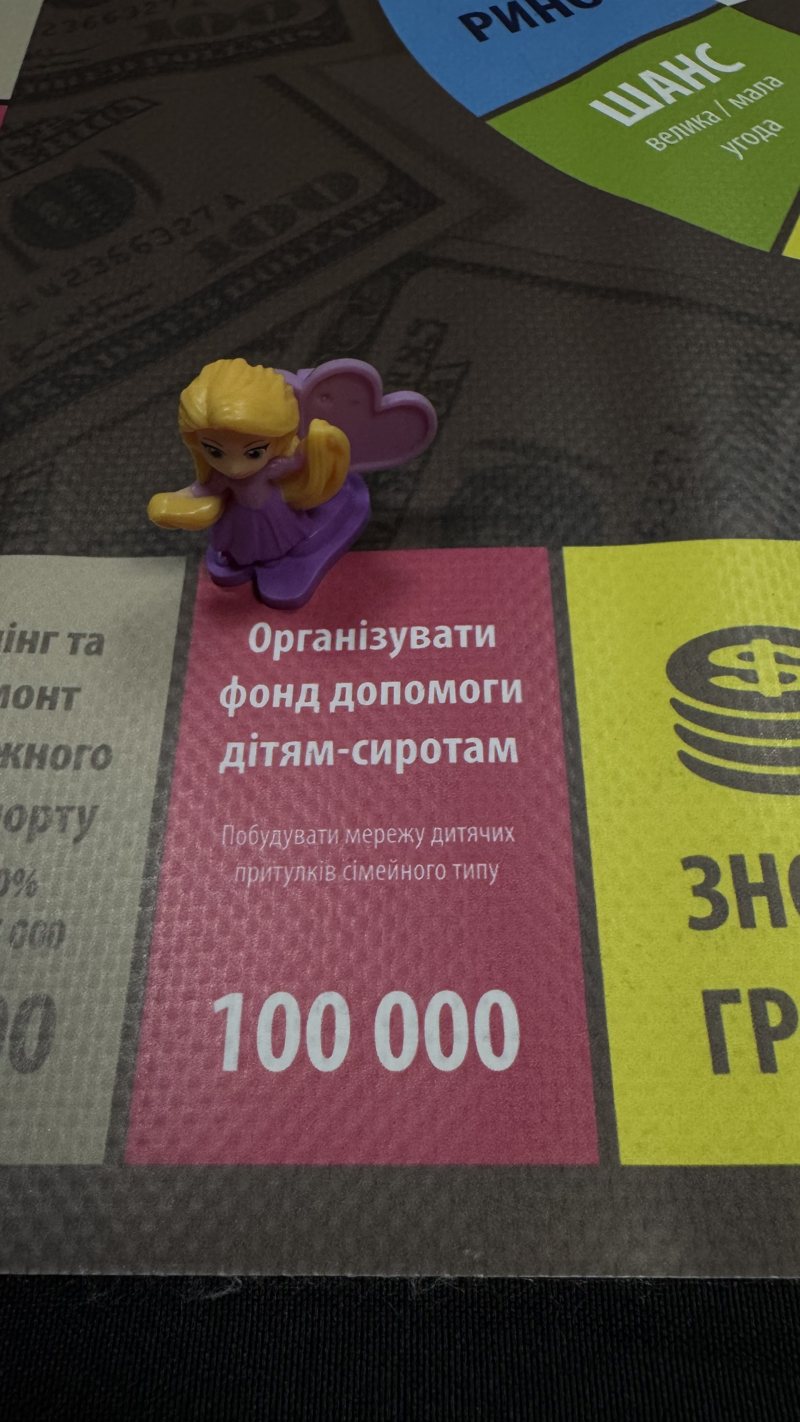
Then came the paperwork, the application and the interviews. We got through it all, the exchange was approved for six months, and it runs until the end of November 2026. The person we took on for the exchange has become part of the team: Natalia is now our director of relations with organisations and partners. She also runs the Cashflow game in Valencia.
Few people we know have heard of Erasmus for Young Entrepreneurs. Below we share our experience and the programme’s rules, with links to its official pages.
In this article
What is Erasmus for Young Entrepreneurs?
Erasmus for Young Entrepreneurs (Erasmus para Jóvenes Emprendedores in Spanish, EYE for short) is a European Union exchange programme for entrepreneurs. It was launched in 2009 and is managed by EISMEA, an agency of the European Commission (FAQ on the programme website). It shares only its name with Erasmus for students. There is no university study involved, and the programme does not support internships or work placements (how to take part).
Two people take part in an exchange. A young entrepreneur (a New Entrepreneur, in the programme’s terms) goes to an experienced one (the Host Entrepreneur) in another country and works alongside them for one to six months. The stay can be split into parts, but it all has to fit within 12 months. Taking part is free, and no organisation may charge a fee for applying or taking part (same page).
Who can be a new entrepreneur
“Young” here refers to experience. There is no upper age limit: you just have to be over 18 (programme FAQ). You qualify if you have firmly decided to start your own business and have written a business plan. You also qualify if you have less than three years of experience running your own business. Any sector will do. You have to live in one of the participating countries (conditions for new entrepreneurs).
If you do not have your own company, your country of residence is the one where you have spent 183 days or more in the last 12 months (programme FAQ). You do not need an EU passport. A citizen of another country can also take part as a new entrepreneur. They must have lived in a participating country for 183 days with a residence permit and be starting, or planning to start, a business in the EU or another participating country (programme guide, February 2026 edition). You can take part as a new entrepreneur only once (programme FAQ).
Who can be a host
A host can be the owner-manager of a small or medium-sized business or a member of its management board, though not an employee. They must have been running their company for more than three years and live in a participating country, and the company must be registered there too (conditions for hosts). An autónomo qualifies as well: under EU rules, a self-employed person counts as a small business (programme FAQ).
A host can take part many times. They can have only one new entrepreneur at a time (programme FAQ).
How much a new entrepreneur is paid in Spain
Only the new entrepreneur receives money. It is a monthly contribution to travel and living costs. It is paid by the new entrepreneur’s local contact point (an Intermediary Organisation, in the programme’s terms) under an agreement between the two (about the financial support). The amount depends on the country where the exchange takes place. For Spain it is €900 a month if the exchange started on or after 1 June 2024 (table of monthly payments, PDF). That means up to €5,400 for six months in Spain.
Payment covers only the days the new entrepreneur spends with the host. The amount does not cover all the costs, and the new entrepreneur pays the rest (programme FAQ). There is a distance condition: the new entrepreneur’s home must be at least 50 km from the host in a straight line, otherwise the exchange goes ahead without payments. Remote exchanges of one to three months are also possible, again without payments. Remote exchanges are allowed until 31 December 2028 (programme guide).
The host receives no money from the programme (programme FAQ). What the host gives is time, experience and a workspace for the new entrepreneur.
Why hosting pays off for a business in Spain
We moved to Spain ourselves and know how hard it is to hire someone here: the contract, social security contributions, the language and, above all, trust. Through Erasmus, an entrepreneur with their own project and their own interest in the business comes to you for up to six months. They learn from you, and you get a fresh perspective and help with the work. When one exchange ends, you can take on the next person, one at a time.
You will not get a free worker out of this programme. Local contact points screen out hosts who are looking for free labour or an intern (programme guide). The new entrepreneur comes to learn how to run a business and develops their own project alongside yours. You discuss the tasks together and write them into the exchange plan.
The host receives the programme’s label and a certificate of participation, which can be shown to clients (benefits for hosts). And sometimes it goes the way it did for us: the person stays in the team.
How to become a host in Spain: the steps
- Prepare a CV and a couple of paragraphs on why you want the exchange. Hosts do not need a business plan (steps on the programme website). The CV can be in any European language, but one in English makes it easier to find a match (programme FAQ).
- Create an EU Login account and fill in the host application form in the programme’s online system. At the end of the form, choose a local contact point. It does not have to be in your city: you can choose any one in Spain (programme guide). We work in Valencia, and our local contact point was the Cámara de Comercio de Santiago de Compostela, the chamber of commerce in Santiago de Compostela.
- The local contact point should get in touch within two weeks. Before it decides, it always invites you to a video call (programme guide). Our call was about the programme itself, so that both sides understood it the same way.
- Find a match. If you already have a new entrepreneur in mind, as we did with Natalia, give their name to your local contact point. If not, search the programme’s online database of participants with its help (steps on the programme website).
- Agree with the new entrepreneur on dates, goals and a work plan. You, the new entrepreneur and the two local contact points sign the Commitment to Quality, the agreement on the quality of the exchange, in the system (about the agreements).
- The new entrepreneur completes introductory training with their local contact point, and then the exchange begins (programme guide).
- At the end, both of you fill in a feedback questionnaire. A host who has not submitted it cannot take on anyone else (programme guide).
For us, it took 18 days from the application to the first working day. We applied on 11 May 2026 and had the call with the local contact point on 18 May. We were approved the same day, the exchange was confirmed on 19 May, and on 29 May Natalia started work in Valencia. The exchange is planned to run until 30 November.
How to join the programme as a new entrepreneur
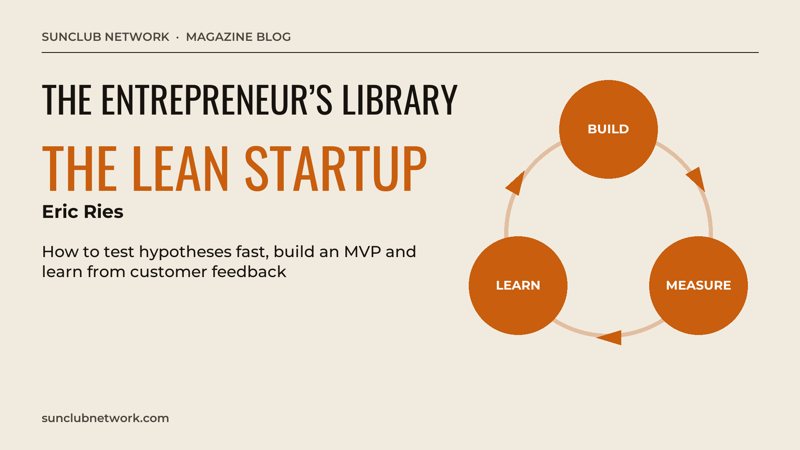
- Write a business plan, because without one your application will not be accepted (programme FAQ). There is no template. The plan needs a description of the product or service, a market and competitor analysis, a sales plan, and financial projections for the next two years with a break-even point (programme FAQ). We wrote about how to test an idea before writing a plan in our article on Eric Ries’s book The Lean Startup.
- Submit the full plan in an EU language that your local contact point works in, and a summary in English (programme FAQ).
- Register in the system and choose a local contact point in the country where you live (how the selection works). There are no deadlines, and applications are accepted all year round (programme FAQ).
- Have your interview. The local contact point checks your identity and motivation by video or in person, and you cannot skip the interview (programme guide).
- Once you are approved, look for a host in the online database or suggest your own. Sign the Commitment to Quality and the financial support agreement with your local contact point (about the agreements).
- Complete the introductory training. Do not travel to your host until the exchange has the status “Ready to start” in the system, as costs incurred before then will not be paid. Arranging the right to stay in the host country, a visa or a residence permit is up to you (programme guide).
Local contact points in and near Valencia
As of 1 November 2026 the programme has 20 local contact points in Spain (list on the programme website, country: Spain). Those near us are:
- Asociación de Jóvenes Empresarios de Valencia (AJE Valencia), Valencia
- Fundación Equipo Humano, Valencia
- InnEurope Initiative, Valencia
- Fundación Empresa Universidad de Alicante (FUNDEUN), Alicante
The list changes, so check each organisation’s address and email on the programme website.
If you are from Ukraine and live in Spain
Usually the new entrepreneur and the host live in different countries. For Ukrainian citizens who were forced to leave by the war, a special rule has applied since 24 February 2022 (programme guide). If you live in Spain now, you do not need to go to another country: you can do the exchange with a host here. That is how Natalia got into the programme.
- You apply through a Ukrainian local contact point and give a Ukrainian address in the application form. A Spanish local contact point can help you fill in the form.
- As of 1 November 2026 there are four Ukrainian local contact points: the Chernihiv Regional Chamber of Commerce and Industry, KROK University, Civitta Ukraine and Corporate Accelerators (list on the programme website, country: Ukraine). Natalia applied through KROK.
- The 50 km rule does not apply to these exchanges. You receive the payment even if the host is in the same city. For Spain it is the same €900 a month (table of payments).
- Instead of providing tickets and a rental contract as proof, the new entrepreneur and the host sign a statement confirming the dates of the exchange.
- If you want to go to another country, you can give a Spanish or a Ukrainian address and apply through a Spanish or a Ukrainian local contact point.
- If you were already living abroad before 24 February 2022, the rule does not apply to you. The general conditions apply, and the exchange takes place in another country.
The other conditions for new entrepreneurs are the same: a business plan and less than three years of experience in your own business. The rule is temporary: the programme introduced it “until further notice”. As of 1 November 2026 it is set out in the programme guide, February 2026 edition. Each local contact point works for a fixed term, and the exchange has to finish before that term ends, so ask straight away how long it will keep accepting exchanges.
A free consultation with Natalia
Natalia has been through the whole process as a new entrepreneur herself. In a 20-minute online call she will help you work out whether you qualify for the programme, how to start your application and how to look for a match. With the promo code SunClub the call is free. She can hold it in Russian, Ukrainian or Spanish. You can book on Natalia’s business page in the SunClub Business directory.
You fill in the form in the programme’s system yourself. Never give your login and password to anyone, even to people who are helping you: you can be excluded from the programme for that (programme FAQ).
Frequently asked questions
How much does it cost to take part in Erasmus for Young Entrepreneurs?
Nothing. Applying and taking part are free, and the new entrepreneur also receives money for each month of the exchange (programme FAQ).
Can I take part if I have already been on Erasmus+?
Yes, if your previous exchange under another EU programme has already ended (programme FAQ).
Can I host a relative or a future business partner?
No. Relatives, spouses, co-owners and investors in the new entrepreneur’s business are not eligible: they can do business together without any exchange (programme guide).
How long does it take to get an answer?
The local contact point should get in touch within two weeks of your application. If something needs clarifying, the application is put on hold, but for no longer than six weeks (programme guide). For us, it took 18 days from the application to the start.
Can the host be an autónomo, without an SL company?
Yes, if they have been running the business for more than three years and live in Spain (programme FAQ).
Do I need to know English?
The new entrepreneur writes the summary of the business plan in English. The full plan can be submitted in another EU language that their local contact point understands (programme FAQ). CVs are accepted in any European language, but with English you have a better chance of finding a match (programme FAQ).
This version of the article was translated from Russian with the help of AI.
SunClub Business directory

Natalia Stuchinskaya
Cash Flow game facilitator in Valencia and online: for adults, teenagers and companies
- Where
- Valencia
- Languages
- Russian, Ukrainian, Spanish
SunClub Business is the directory run by SunClub Network magazine: 240 businesses and professionals in Spain. The editors review every business page before it goes live. Browse the directory →