Shakhtar Academy Alicante: children’s football the Shakhtar Donetsk way
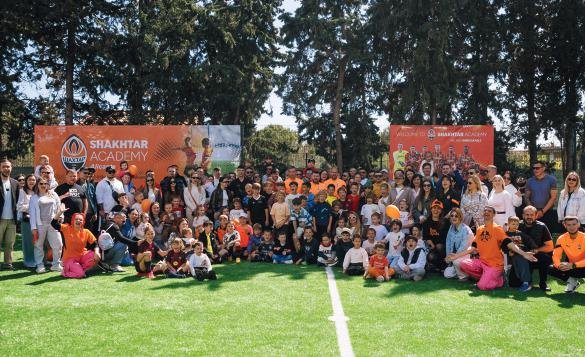
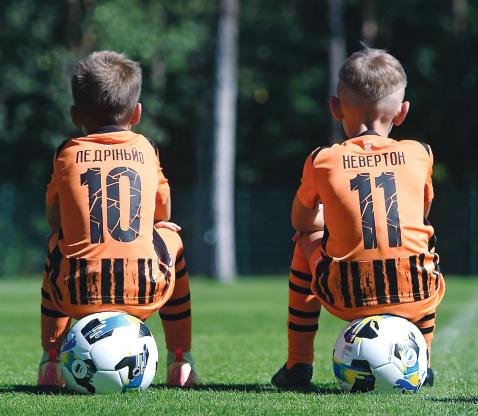
Shakhtar Academy Alicante is the first children’s football school in the region to use the official methodology of FC Shakhtar Donetsk. It takes children aged 3 to 10. Its founder, Maksym Kyselov, holds a B licence from the UAF, Ukraine’s football association, and has seven years’ experience in children’s football. He explains how structured training differs from council-run sessions with 20–30 children, how discipline and play can go together, and what a child gains besides technique. He ends with three tips for parents.
Partner content. Prices and terms as of the publication date.

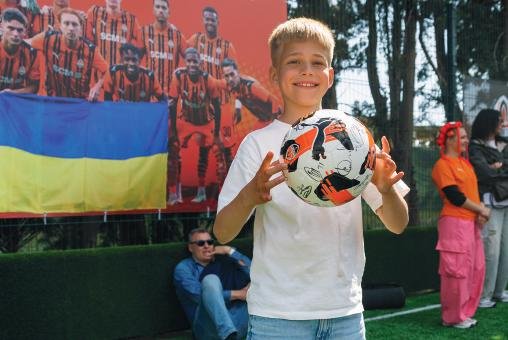
A football academy has opened in Alicante that is changing how people see children’s sport. Shakhtar Academy Alicante is the first school in the region to follow the official methodology of FC Shakhtar Donetsk. The club is a regular in the UEFA Champions League and one of the best-known names in European football. Behind the project is Maksym Kyselov, a UAF B-licence coach and a graduate of the National University of Ukraine on Physical Education and Sport. He has seven years’ experience in children’s football and his own school back home in Ukraine.
Maksym, football is a religion in Spain. Why bring a Ukrainian method here?
That’s exactly why. Spain has a huge amount of talent, but what’s often missing is a system. Football here is built on play, instinct and freedom. That’s wonderful. But between the ages of 3 and 10, the “golden period” of a child’s development, it’s important to add structure to that freedom. The Shakhtar method is all about precision: every exercise is aimed at a specific skill. There’s nothing harsh about it. The foundations of coordination, ball control and quick thinking on the pitch are all laid at this age, while a child’s brain and body are at their most receptive. Miss that window and you spend a long time catching up later.
How is your approach different from an ordinary kids’ football club?
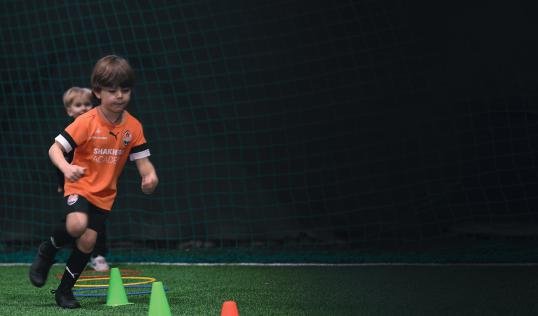
I often ask parents: do you want your child just to spend an hour on the pitch with a ball, or to go home every time having learnt something new? That’s a fundamental difference. Council-run sessions have 20–30 children, the coach throws them a ball and the kids run around. A child gets lost in the crowd, nobody works on their technique and progress is hard to see. We work differently. The coach is involved every second of the session, corrects every movement and sees every child. After each session, parents get feedback. That’s what a professional approach looks like.
All this structure takes discipline. But we’re talking about children aged 3 to 10. How do you make discipline work at that age?
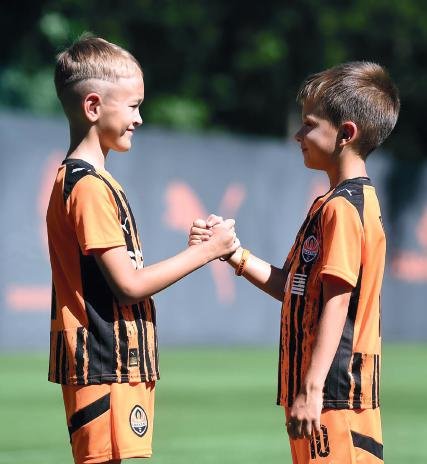
Through play. For us, discipline means that a child understands their job on the pitch and enjoys doing it. Nobody has to line up and stand to attention. We know how to create an inspiring atmosphere where discipline becomes a tool for growth and children don’t experience it as a restriction. One parent from our very first group told us: “In a 45-minute trial session my son touched the ball more than in a month at his old club.” That’s the difference between chaos and a system.
What does a child get from your academy besides football skills?
Character. Learning to lose gracefully and to keep fighting to the end. Leadership and teamwork. Football is life in miniature: how a child behaves on the pitch at seven goes a long way towards deciding what kind of person they’ll become. My experience at top Ukrainian clubs and running my own academy tells me one thing: nothing builds strong people like sport. We’re laying the foundations, and the goals can wait.
Maksym Kyselov’s three tips for parents
- Don’t push for results. Up to the age of 10, the main thing is to instil a love of movement. The goals will come later, but character is built now.
- Choose the system first and the location second. Look for a school with a clear method. The right foundations in childhood mean health and steady progress later on.
- Set an example. Support your child’s interest and go to matches together, but let them make their own decisions on the pitch.
This version of the article was translated from Russian with the help of AI.
Contact
Shakhtar Academy Alicante
Open Instagram →SunClub Business is the directory run by SunClub Network magazine: 240 businesses and professionals in Spain. The editors review every business page before it goes live. Browse the directory →
Add your business to the directory: a basic business page is free →
 Hatha yoga in Alicante and online: Maria Leushkina’s classes for a tense neck and back
 Spain’s general election on 29 November 2026: who can vote and what the parties promise foreigners and autónomos
 Spain’s minimum wage: €1,221 now, €1,286 proposed for 2027. What it means for autónomos
 A Spaniard could lead the ECB: what it means for your mortgage in Spain